Gamification for Customer Loyalty: Why Engagement Design Fixes Retention Systems, Not Individual Effort

TL;DR. Gamification uses game mechanics — points, badges, leaderboards, missions — inside a non-game system to change behavior. Applied to retention, gamified loyalty programs lift engagement by 47% and brand loyalty by 22%, according to a Snipp Interactive study cited in 2025 industry research1. The gain isn’t magic. It works because it turns retention into an engagement design problem — structure, feedback, reward — instead of asking reps or customers to simply try harder2. That reframe is exactly why Play2sell SalesOS treats sales motivation as a system to architect, not a personality trait to hire for.
What Is Gamification in Sales and Loyalty—and Why It Drives Repeat Purchases

Gamification is the structured use of game mechanics — points, levels, badges, missions, leaderboards — inside a non-game business context to shape behavior in a measurable, repeatable way, rather than leaving engagement to chance 2. In a sales or loyalty setting, that means converting an action you want repeated (a purchase, a call, a referral) into a visible, rewarded event instead of a silent transaction.
The reason this works isn’t novelty. Humans are wired to seek achievement, mastery, and social recognition. Traditional point-and-redeem loyalty ignores all three by keeping the relationship purely transactional 2. A gamified system, by contrast, makes progress visible in real time and lets people compare themselves to peers. That’s precisely why tiered and leaderboard-based programs outperform flat discount schemes on engagement 3.
This isn’t a marginal optimization — it’s a fix for a structural leak. Roughly one in four customers stops buying from a brand within a year simply because nothing gave them a reason to stay 4. That’s not an individual failure of the customer or the rep managing the relationship. It’s a design failure in how the business structured engagement.
The revenue math makes the stakes concrete. Acquiring a new customer costs 5 to 25 times more than retaining an existing one 5, and members who actively engage with rewards generate lifetime value up to 6.3 times higher than non-participating customers 6. Retention isn’t a soft metric — it’s the highest-leverage lever most commercial leaders are underusing, and gamification is the mechanism that operationalizes it.
Learn more in our complete guide: What is a Sales Operating System: the loop that transforms results.
Related reading: sales gamification.
Essential Game Mechanics and How Each One Influences Purchasing Behavior
Each mechanic works because it triggers a distinct psychological response. Stack the wrong combination — or skip the right one — and you get exactly what most incentive programs produce: a plateau after a few weeks instead of compounding gains over months.
| Mechanic | Psychological Trigger | Effect on Behavior |
|---|---|---|
| Points | Immediate feedback loop | Dopamine-driven reward anticipation reinforces repeat action1 |
| Levels | Mastery scaffolding | Progression from novice to expert increases time invested in the relationship7 |
| Badges | Social proof and identity | Visible achievement signals status and deepens emotional investment6 |
| Missions and streaks | Urgency and habit formation | Time-boxed challenges build routine engagement8 |
| Rankings and leaderboards | Social comparison | Visibility of relative performance pushes top performers to defend rank and laggards to close the gap9 |
| Rewards | Extrinsic reinforcement | Tangible payout closes the loop, but only if calibrated to actual effort10 |
Points work because each one delivers instant, measurable proof of progress — the same dopamine loop that keeps someone checking a step counter1. Levels borrow from game design’s mastery curve: as tiers rise, so does the felt cost of walking away7. Badges convert an internal accomplishment into something shareable, which is why programs that let people display achievements publicly outperform silent point systems6. Missions and streaks manufacture urgency on purpose. A countdown or an unbroken chain gives someone a reason to show up today, not eventually8. Leaderboards exploit comparison: seeing where you rank changes behavior faster than seeing your own number in isolation9. None of this holds, though, if the reward at the end doesn’t match the effort required. Misaligned payouts are consistently cited as the reason engagement collapses10.
For a sales team, the same six mechanics apply to reps instead of shoppers. That’s the logic behind Play2sell SalesOS’s Gamification module. It doesn’t run a generic point campaign — it calibrates missions, streaks, and rankings to each rep’s actual performance baseline, so the mechanics stay matched to real effort instead of decaying into background noise after two weeks.
How to Structure a Gamified Loyalty Program Step by Step

A gamified loyalty program is structured, not improvised. It starts with a single measurable behavior, maps where customers drop off, then layers mechanics, rewards, and governance on top — in that order. Skipping straight to badges and points without this sequence is the most common reason gamified programs fail to move revenue 10.
- Set the goal. Pick one core behavior — repeat purchase frequency, customer lifetime value, or rep conversion rate — and quantify today’s baseline before adding any game mechanic 1.
- Map the journey. Identify where customers or reps disengage and where a nudge (points, a badge, a mission) could redirect behavior toward repeat purchase 2.
- Choose mechanics that fit. Missions and levels suit e-commerce. Rankings and team challenges suit B2B sales performance 11.
- Set reward rules. Rewards that are too small don’t move behavior. Rewards that are too generous erode margin. Test ratios before locking them in 12.
- Govern the launch. Publish the rules, pilot with one cohort, and measure engagement before rolling out company-wide 13.
- Iterate. Watch for fatigue — engagement decay despite active mechanics — and refresh missions seasonally 10.
Only about 10% of participants engage deeply enough to build their own internal strategy inside a gamified system. The other 90% need the structure built for them 10.
How Gamification Works Across Physical Retail, E-Commerce, and Sales Teams
Gamification works the same way everywhere — points, progress, and recognition tied to real behavior — but the channel changes what the system needs to capture and how fast it needs to react.
Physical retail relies on in-store challenges ("spend $50 this week, earn 100 points and unlock a badge") plus mobile-app receipt or QR scans to close the loop between action and reward, with leaderboards tracking visit frequency. Nike’s SNKRS app ties exclusive product drops to engagement streaks. It rewards shoppers who stay active over time, not those who show up once7.
E-commerce shifts the mechanic to the product page and checkout flow: "buy from three categories, unlock 25% off," weekly-visit streaks, and bonus points for referrals. Sephora’s Beauty Insider program layers points, birthday rewards, and member-exclusive sales into tiered status (Insider, VIB, Rouge). That tiering drives spend by making prestige visible12.
B2B sales teams need this same architecture applied to pipeline behavior instead of purchases: leaderboards ranked on conversion rate or pipeline velocity, mission-based campaigns ("5 demos this week = $200 bonus"), and recognition badges for skill milestones. This is exactly where a Sales Operating System earns its place. Play2sell SalesOS’s Gamification module builds these missions from your team’s actual performance baseline, not a guess — so a five-demo target means something different for a new hire than for a veteran closer.
The common thread across all three channels: rewards must tie to captured events, not self-reported activity, or the system decays within weeks10.
Real-World Examples: How U.S. Brands Drove Loyalty and Sales Growth with Gamification
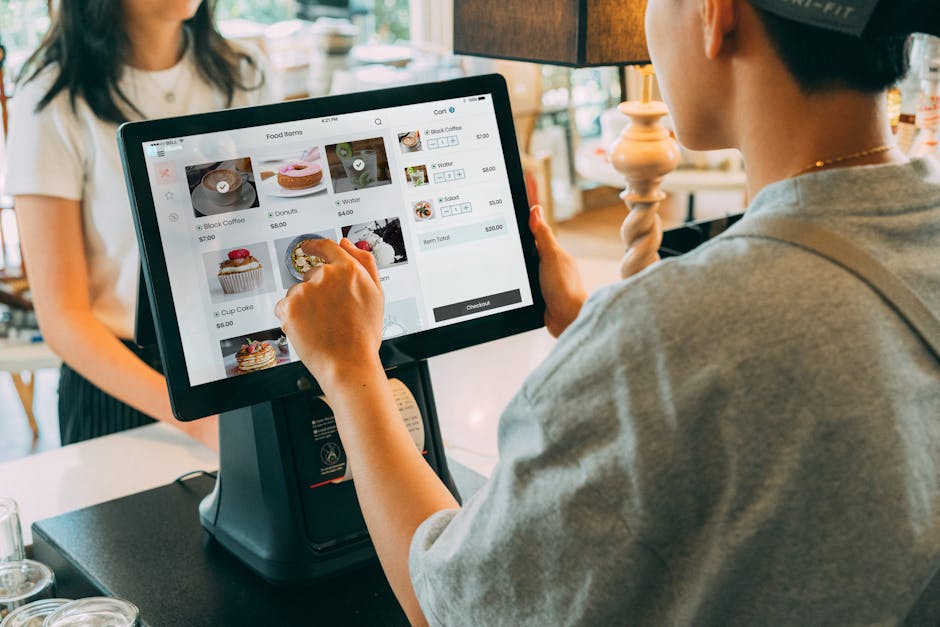
Real repeat engagement, not just enrollment, is what separates brands that pair loyalty programs with game mechanics from brands running static point systems — and the pattern holds across coffee, apps, and B2B training platforms.
Starbucks Rewards is the clearest proof point. Members earn Stars on every purchase toward a 150-Star threshold calibrated to feel achievable within a few visits 14, and the program now counts 35.5 million active U.S. members 14. That tiered structure isn’t incidental. Starbucks Rewards drives between 40% and 50% of the brand’s total revenue 15, making it one of the most effective behavioral systems in retail.
| Brand | Mechanic | Documented Result |
|---|---|---|
| Starbucks Rewards | Stars → tier progression | 40–50% of total revenue flows through the program 15 |
| Nike Run Club | Badges, streaks, personalized rewards | Badges for runs drive repeat app engagement 7 |
| KFC Rewards Arcade | Branded minigame, surprise prizes | Withheld outcomes increase engagement and data capture 3 |
| Salesforce Trailhead | Badge-based skill progression | 450+ shareable badges tied to product mastery 16 |
The common thread: none of these programs rely on a leaderboard alone. Each pairs recognizable milestones with a clear, calibrated path forward.
Gamification Tools and Platforms: Features, Costs, and How to Choose
Gamification platforms fall into four distinct categories, and the right choice depends on whether your CRM stack is mature, fragmented, or nonexistent. Most systems rely on the same core mechanics — points, badges, and leaderboards — to deliver measurable progress. But where those mechanics live changes cost, integration effort, and how fast data reaches your team.17
The four categories
| Category | Examples | Cost range | Best fit |
|---|---|---|---|
| Loyalty-native | Antavo, Open Loyalty, Kangaroo Rewards | $2,000–$10,000/mo | Brands with existing CRM or POS |
| Engagement platforms | Bunchball, Talon.One | $3,000–$15,000/mo | E-commerce, multi-channel brands |
| CRM add-ons | Salesforce Gamification Cloud, HubSpot Leaderboards | Bundled in CRM tier | Teams already committed to one CRM |
| Custom-build ecosystems (e.g. Play2sell SalesOS) | Operates above the CRM via API/webhook | Varies by architecture | Enterprises needing sales-team motivation without replacing the CRM |
More than 600 gamification platforms serve the e-commerce market alone as of September 2026, with the U.S. as the largest buyer market.18
Before signing anything, score each vendor on five criteria: integration ease, rule flexibility, analytics depth, design customization, and reporting lag. Real-time capture beats daily batch every time you need to correct behavior fast.
For a sales team specifically, the deciding factor isn’t the leaderboard skin. It’s whether the platform captures rep events automatically or still depends on manual CRM entry — that dependency is where most engagement programs quietly die.
Metrics and KPIs: Measuring Engagement, Retention, and ROI of Your Gamified Program

Measuring a gamified sales or loyalty program means tracking three layers at once: engagement, retention, and financial ROI — never engagement alone. Engagement without a revenue link is just a vanity metric.
| Layer | Core KPIs | Formula / Signal |
|---|---|---|
| Engagement | Weekly active users, mission completion rate, badge unlock frequency | Track 30–50% weekly engagement among enrolled users as a healthy baseline 7 |
| Retention | Repeat purchase rate, customer lifetime value, churn rate | Repeat Purchase Rate = customers with 2+ purchases ÷ total customers × 100 19 |
| Revenue | Incremental revenue vs. control group, average order value, cost per engaged user | Members who actively redeem rewards show 6.3x higher lifetime value than non-participants 6 |
Social and behavioral signals round out the picture: leaderboard climbs, streak continuation, redemption rate. Redemption friction is often the first sign a reward structure isn’t working 12.
Set a pre-launch baseline, then measure weekly for the first 12 weeks before shifting to monthly tracking. Retention lift typically takes 4–6 weeks to surface. Once it does, well-run programs report engagement gains near 45–48% 20.
Common Mistakes That Kill Gamified Programs: User Fatigue, Misaligned Rewards, and Lack of Personalization
Gamified programs don’t fail from bad luck. They fail for structural reasons: stale mechanics, misaligned rewards, generic experiences, disconnected logic, manual data entry, and opaque rules. Each mistake compounds the others — but each also has a specific, testable fix.
Mistake 1 — User fatigue. Programs that keep the same missions and leaderboard for more than a quarter lose participants. Retailers who copy a competitor’s game mechanics without refreshing them typically see only a small fraction of users engage. In one documented case, just 2% of users played after a costly copy-paste launch10. Fix: retire missions monthly, rotate seasonal themes, and cap daily requirements so casual users still feel progress.
Mistake 2 — Miscalibrated rewards. Rewards that are too cheap feel meaningless. Rewards that are too expensive erode margin. Fix: test point-to-value ratios and track redemption rate as your health signal19.
Mistake 3 — No personalization. Treating every customer the same ignores a basic truth: a VIP and a browser need different challenges21.
Mistake 4 — No business logic. If a mechanic doesn’t map to retention or order value, cut it10.
Mistake 5 — Weak CRM/POS integration. Manual entry defeats the point. Capture has to be automatic21.
Mistake 6 — Lack of transparency. Unclear rules kill trust. Visible leaderboards and instant redemption rebuild it12.
At Play2sell, our Leads and Gamification modules exist precisely to close these gaps: events get captured automatically above your CRM, missions recalibrate on real data, and rewards stay auditable. The next step is auditing which of these six failure modes your current program already has.
What’s Next: AI Personalization, Omnichannel Gamification, and CRM Integration

The next phase of gamification runs on AI-driven personalization, unified omnichannel mechanics, and direct CRM integration. These replace static, manually-tuned programs with adaptive systems tied to real operational data.
Machine learning models will increasingly predict which rewards and mission types engage each customer or rep segment. They’ll adjust difficulty and timing in real time instead of relying on quarterly A/B tests 1. This shift toward AI-driven loyalty design is already underway: personalization now detects behavioral signals and tailors future actions automatically 2.
Seamless mechanics across app, web, in-store, and social channels will replace today’s fragmented leaderboards and streaks 3. At the same time, gamification is moving from a marketing add-on into an operational layer. It’s tying directly to pipeline data, activity logs, and commission calculations rather than manual spreadsheets 4.
This is exactly the architecture behind Play2sell SalesOS’s Gamification module: points generated by real events, governed rankings, and streaks that persist without a rep touching a CRM field.
Next step: audit which of your engagement mechanics still depend on manual entry — that’s where the system, not the rep, needs to change.
Frequently Asked Questions
Gamified programs typically show engagement lifts within 2–4 weeks. Repeat purchase rate increases tend to surface later, after 8–12 weeks, once habitual behavior loops take hold. Real-time dashboards let you catch fatigue early and adjust before it erodes momentum19.
Can gamification work for low-margin businesses? Yes. Lean on non-monetary rewards — status badges, exclusive access, early drops — to protect margin while still driving the achievement-seeking behavior that keeps customers active12.
What’s the difference between gamification and traditional loyalty? Traditional loyalty is transactional: earn points, redeem them. Gamification is behavioral. It rewards missions, streaks, and social competition, and repeat purchase rates trained this way can run meaningfully higher than static point programs11.
How do I stop top performers from dominating leaderboards? Segment leaderboards by region, tenure, or customer tier. Rotate past winners into a hall of fame, and keep non-competitive badges available so casual participants still have something to chase4.
Do I need to replace my CRM to implement gamification? No. The systems worth adopting sit above your CRM, capturing events via API or webhook rather than forcing a migration. That’s precisely the architecture behind Play2sell SalesOS’s Gamification module, which layers missions, rankings, and verifiable badges on top of whatever CRM you already run.
Next Step: Align Gamification with Your Sales and Loyalty Operations
Gamification only works as a system, not a standalone campaign. The mechanics discussed throughout this piece — points, badges, leaderboards, progress bars — depend on integration with your existing sales and loyalty stack. Bolted onto a spreadsheet or a wall poster, they decay within weeks 10. That’s the structural lesson: the failure isn’t your team’s discipline, it’s the absence of an operating layer that captures behavior automatically.
If you’re managing pipeline, lead routing, and commission governance manually, you’re leaving both data quality and motivation on the table. Play2sell SalesOS’s Gamification module sits above your CRM and captures sales activity — demos booked, objections logged, deals closed — without requiring reps to type anything. It then converts that activity into points, streaks, and segmented leaderboards.
On the customer side, a flat repeat-purchase rate usually signals a missing mission structure, not a weak offer. Ask whether customers see clear progress toward a reward, and whether social proof — leaderboards, shared badges — is present 12. The same Gamification framework extends to customer programs via API integration with your POS or e-commerce platform.
Immediate next step: Baseline your current numbers — repeat purchase rate or average ramp-up time — and set one specific target. Map the mechanics against it, then request a demo to see how Gamification and RolePlay work together to close the gap between motivation and execution.
FAQ
What’s the first metric to check before launching gamification? Start with repeat purchase rate or sales cycle length. Without a baseline, you can’t measure whether mechanics like points or badges actually moved behavior 19.
## Sources- https://www.cfcs.co.in/blog/boost-customer-retention-with-gamification — https://www.cfcs.co.in/blog/boost-customer-retention-with-gamification ↩
- https://www.lobyco.com/insights/what-is-gamification-in-customer-engagement — https://www.lobyco.com/insights/what-is-gamification-in-customer-engagement ↩
- https://kobie.com/gamification-in-loyalty-programs-driving-customer-engagement-and-retention — https://kobie.com/gamification-in-loyalty-programs-driving-customer-engagement-and-retention ↩
- https://www.optimove.com/resources/blog/gamification-in-loyalty-programs — https://www.optimove.com/resources/blog/gamification-in-loyalty-programs ↩
- https://www.yotpo.com/blog/loyalty-program-for-ecommerce — https://www.yotpo.com/blog/loyalty-program-for-ecommerce ↩
- https://bonusqr.com/article/level-up-your-loyalty-the-ultimate-guide-to-gamification-for-small-business — https://bonusqr.com/article/level-up-your-loyalty-the-ultimate-guide-to-gamification-for-small-business ↩
- https://enable3.io/blog/gamification-in-loyalty-programs-2025 — https://enable3.io/blog/gamification-in-loyalty-programs-2025 ↩
- https://www.cfcs.co.in/us/blog/gamified-loyalty-strategies-ecommerce-retention — https://www.cfcs.co.in/us/blog/gamified-loyalty-strategies-ecommerce-retention ↩
- https://www.youtube.com/watch?v=yGiMBwKl2jk — https://www.youtube.com/watch?v=yGiMBwKl2jk ↩
- https://www.retailcustomerexperience.com/blogs/5-reasons-why-gamified-loyalty-programs-fail — https://www.retailcustomerexperience.com/blogs/5-reasons-why-gamified-loyalty-programs-fail ↩
- https://www.openloyalty.io/insider/what-is-gamification — https://www.openloyalty.io/insider/what-is-gamification ↩
- https://loyalty.kangaroorewards.com/the-power-of-gamification-in-loyalty-marketing — https://loyalty.kangaroorewards.com/the-power-of-gamification-in-loyalty-marketing ↩
- https://www.comarch.com/trade-and-services/loyalty-marketing/blog/how-to-launch-a-loyalty-program-7-mistakes-to-avoid — https://www.comarch.com/trade-and-services/loyalty-marketing/blog/how-to-launch-a-loyalty-program-7-mistakes-to-avoid ↩
- https://yukaichou.com/gamification-examples/top-10-ecommerce-gamification-examples-revolutionize-shopping — https://yukaichou.com/gamification-examples/top-10-ecommerce-gamification-examples-revolutionize-shopping ↩
- https://www.talon.one/blog/9-excellent-examples-gamification-retail — https://www.talon.one/blog/9-excellent-examples-gamification-retail ↩
- https://www.alexanderthamm.com/en/blog/examples-of-gamification-in-companies — https://www.alexanderthamm.com/en/blog/examples-of-gamification-in-companies ↩
- https://www.openloyalty.io/insider/best-gamification-software — https://www.openloyalty.io/insider/best-gamification-software ↩
- https://revenuebase.ai/companies/browse/gamification-platforms-for-ecommerce — https://revenuebase.ai/companies/browse/gamification-platforms-for-ecommerce ↩
- https://loyalty.kangaroorewards.com/the-best-kpis-to-measure-loyalty-program-success — https://loyalty.kangaroorewards.com/the-best-kpis-to-measure-loyalty-program-success ↩
- https://brocoders.com/blog/top-marketing-gamification-platforms — https://brocoders.com/blog/top-marketing-gamification-platforms ↩
- AI and Loyalty: Transform the Customer Experience to Generate More Value for Your Business — https://www.orisha.com/en/blog/ai-customer-loyalty ↩